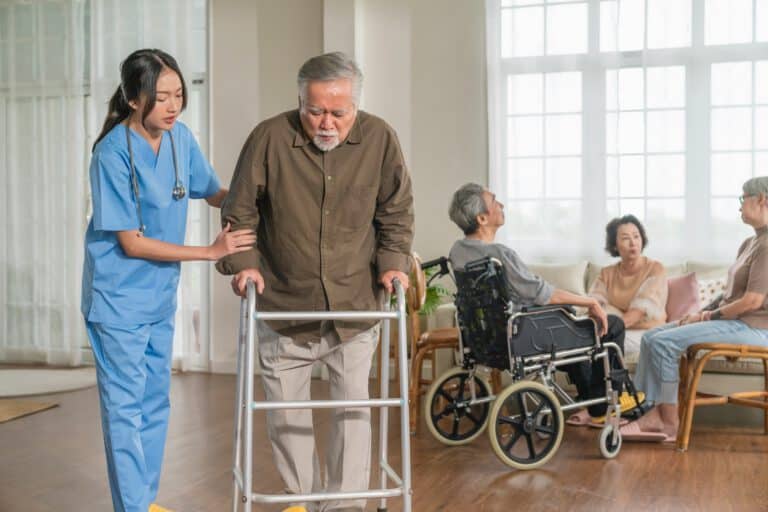
From care home to CNA in thirteen days
Share this page

For many people, the path into healthcare feels longer and harder than it needs to be. That is why short, practical training pathways matter. A CNA-focused route that can move someone from interest to readiness in a matter of days can make healthcare careers feel more reachable, especially for people looking for a fast, meaningful next step.
Why a short path into healthcare matters
When people are exploring a new direction, long timelines can become a barrier. A shorter training path can reduce hesitation and help someone picture real progress much sooner. That can be especially important for adults changing careers, re-entering the workforce, or looking for work that feels more stable and purposeful.
From care experience to formal training
Many people already have caregiving instincts or real-life care experience before they ever enter a formal healthcare setting. A CNA pathway can help turn that lived experience into structured training and job-ready preparation. It creates a bridge between informal care and professional opportunity.
Fast training can make the next step feel possible
The idea of becoming job-ready in thirteen days is powerful because it changes the emotional math. Instead of imagining a distant outcome, students can focus on a practical timeline and a clear next milestone. That sense of momentum can make healthcare training feel more attainable.
Why CNA training is often a strong entry point
CNA preparation often serves as an accessible introduction to healthcare work because it is hands-on, care-centered, and closely tied to real patient support. It can give students exposure to the rhythm, responsibility, and purpose of healthcare while opening the door to future advancement.
A short path does not mean a small opportunity
Fast training can still lead to meaningful work. For many students, the value is not only that the path is short, but that it leads toward a role that matters in real care environments. It can be the beginning of both immediate opportunity and longer-term career growth.
Why this message resonates locally
In Hawaiʻi, accessible and local workforce pathways matter because people often need options that fit real life, real responsibilities, and real timelines. A thirteen-day path into CNA training speaks to that reality. It gives people a practical way to move forward without waiting for the perfect moment.
How this supports workforce needs too
Shorter, practical entry points into healthcare do not only help students. They can also support the broader need for more trained workers by helping more people take the first step. That makes fast-start pathways valuable for both individual progress and workforce development.
Why this matters to MECHA Train
For MECHA Train, this story reflects the value of making healthcare training feel realistic, local, and achievable. It is about helping people move from interest to action quickly, while opening a door to work that supports both personal progress and community care.
From care home to CNA in thirteen days is compelling because it turns possibility into motion. It shows that for the right student, the first meaningful step into healthcare may be much closer than expected.

Spread the Word
Real Stories
Hear from students, employers, and the care homes where our graduates work.
The most valuable part of this course for me was the hands on clinical with actual residents. I got a feel for how a care home should be.

This course helped transition from 30+ years of informal caregiving into a more skilled and professional role.
The hands-on clinical experience helped me build confidence in my skills and taught me how to care for patients with empathy and respect.
Learning skills and building connections with peers and coworkers was valuable to me.
This course is valuable for me. To be able to help people, especially the elderly and my family is important.
I really enjoyed [the course]. [It] was extremely helpful for me.
Working with new people and learning new things was valuable to me.
The most valuable parts of the course were learning and preparing for the hands on part of the course and clinical.
I recommend this program to others because it was well explained and the instructors were helpful.
Aloha-based care means caring with love, compassion, dignity and respect to me.
FAQs
These common questions explain why a short CNA path can be so appealing for students looking for a faster, practical entry into healthcare.