Why Hawaiʻi needs more healthcare workers now
Share this page
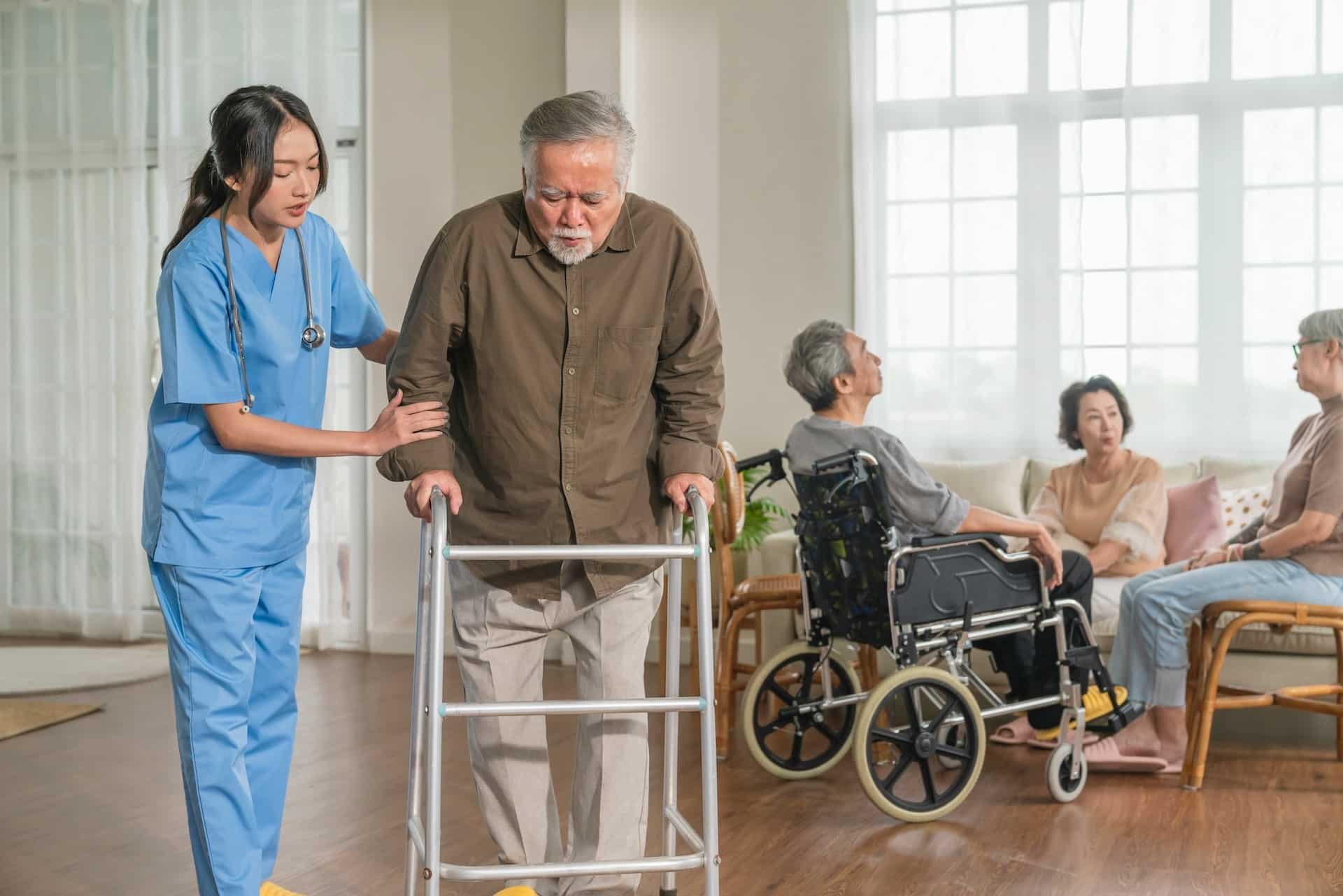
Hawaiʻi’s need for healthcare workers is about more than staffing alone. It touches aging, access, continuity of care, family support, and the long-term strength of communities across the islands. As care needs continue to grow, building a stronger local healthcare workforce becomes more urgent.
An aging population increases the need for care
One of the clearest reasons Hawaiʻi needs more healthcare workers now is the growing demand for support tied to aging populations. As more residents need assistance with daily care, clinical support, and long-term health needs, the pressure on the healthcare workforce grows as well.
Healthcare demand affects the entire care system
The need is not limited to one role or one setting. A stronger workforce supports care homes, clinical teams, support staff, and the people who help patients move through the broader healthcare system. When there are not enough trained workers, strain can ripple through multiple parts of care delivery.
Communities depend on steady access to care
Healthcare access is deeply connected to workforce capacity. When communities do not have enough trained people entering care roles, it becomes harder to maintain consistency, responsiveness, and local support for those who need help. More workers can help strengthen that foundation.
Local training can help meet local demand
One of the most practical ways to respond to healthcare demand is to build stronger local pathways into the workforce. Training people close to home can help create a more sustainable flow of workers who are prepared to contribute in Hawaiʻi’s care settings and communities.
Healthcare careers support both care and opportunity
Expanding the workforce can also expand opportunity for local residents. Healthcare careers can provide purpose-driven work, skill development, and a path into stable roles that matter to the community. That makes workforce development both a care issue and an opportunity issue.
More workers can help reduce system strain
When care systems are stretched, the effects are often felt by workers, patients, and families alike. Strengthening the pipeline of trained healthcare workers can help improve resilience over time by supporting more dependable staffing and better continuity in care environments.
Why the need feels urgent now
The need feels immediate because workforce development takes time, while care needs continue in real time. Waiting to build local pathways only makes future pressure harder to address. A stronger healthcare workforce has to be developed before shortages become even more difficult to solve.
Why this topic matters to MECHA Train
For MECHA Train, this issue connects directly to the value of practical healthcare training that helps people move into needed roles. The message is not only about jobs. It is also about helping Hawaiʻi strengthen care capacity, local opportunity, and the long-term health of its communities.
That is why Hawaiʻi needs more healthcare workers now: because the demand is real, the need is local, and the long-term benefits of building healthcare talent reach far beyond a single role or facility.

Spread the Word
Real Stories
Hear from students, employers, and the care homes where our graduates work.
The most valuable part of this course for me was the hands on clinical with actual residents. I got a feel for how a care home should be.
This course helped transition from 30+ years of informal caregiving into a more skilled and professional role.
The hands-on clinical experience helped me build confidence in my skills and taught me how to care for patients with empathy and respect.
Learning skills and building connections with peers and coworkers was valuable to me.
This course is valuable for me. To be able to help people, especially the elderly and my family is important.
I really enjoyed [the course]. [It] was extremely helpful for me.
Working with new people and learning new things was valuable to me.
The most valuable parts of the course were learning and preparing for the hands on part of the course and clinical.
I recommend this program to others because it was well explained and the instructors were helpful.
Aloha-based care means caring with love, compassion, dignity and respect to me.
FAQs
These common questions explain why healthcare workforce demand feels urgent in Hawaiʻi and why local training matters as part of the solution.